How to Repair a Washing Machine That Won’t Agitate in Dubai
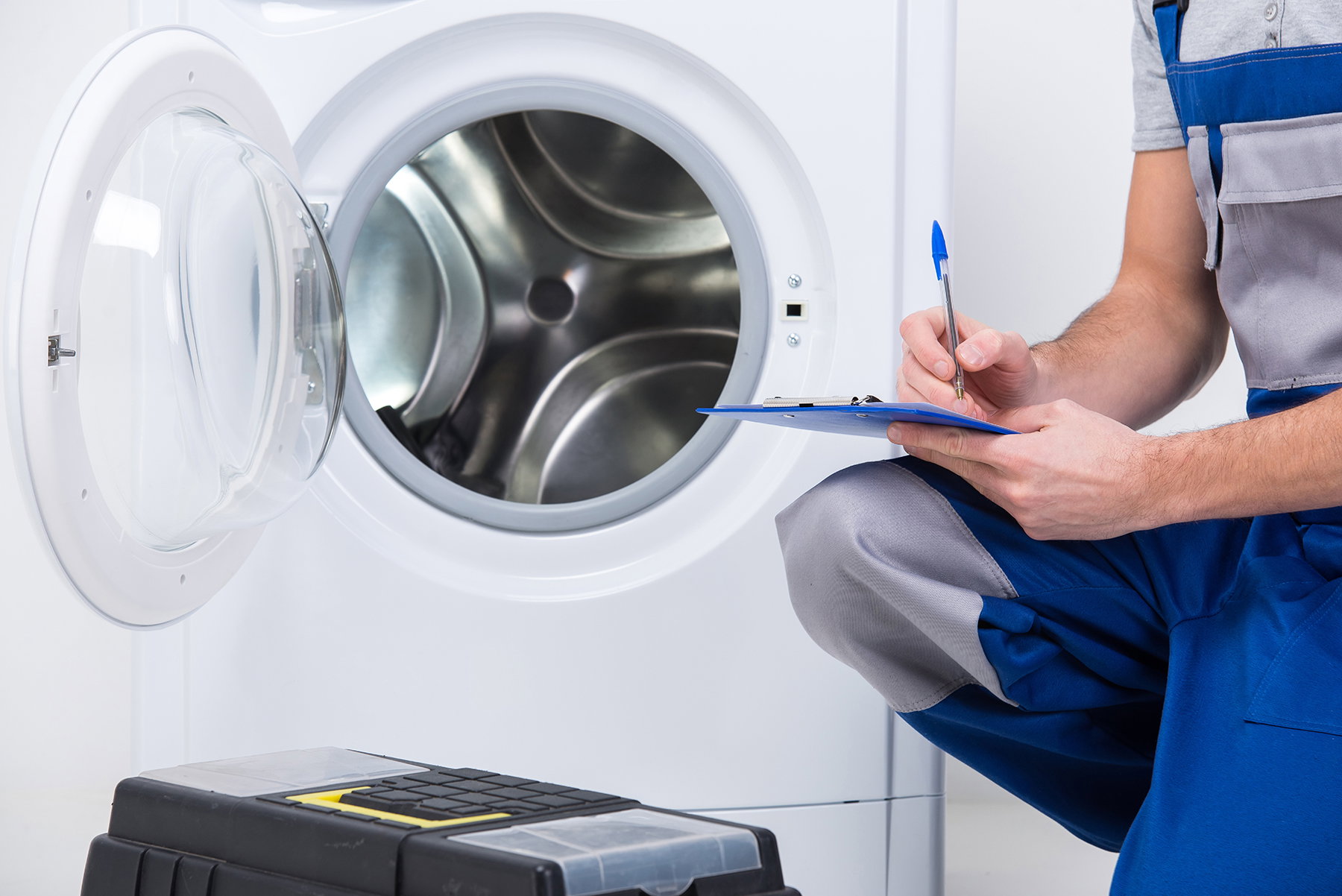
The spin and drain operations of a washing machine work together to determine the machine's overall performance. In the event that either of these phases is not carried out in an efficient manner, the final outcome of the washing cycle may be much more soiled than it was at the beginning of the cycle. The good news is that you should be able to fix a washing machine that is not spinning or draining with just a little bit of more troubleshooting.
In the majority of instances, it is rather simple to determine whether or not your washing machine is not draining if there is a significant amount of laundry that remains in the water after the cycle has been completed. In the event that there is no puddle at the bottom of the drum, but the clothing is still drenched in water, this is a sign that your washing machine is not spinning as it should be. If your washing machine has a window, you should listen to or observe whether the machine spins after washing something. This can help you research the issue further. It is possible that your washer is spinning but not draining. On the other hand, it can be pumping but not spinning. In some cases, neither of these steps can be completed, but in most cases, it is not difficult to identify the source of the issue.
Typical explanations for why your washing machine does not spin or drain
Not only are you left with unclean clothing, but the stains on them are even more severe than they were before. This happens when your washer refuses to spin or drain. The majority of the issues are simple to address, which means that you will be able to have clean laundry once more.
Issues with the hose draining the drain It is recommended that you examine the drain hose first if your washing machine is not draining properly. When this component is kinked, frozen, or blocked, the water will not be able to drain out of the drum, and the entire volume of liquid will be retained within the drum. Make certain that the drain hose is not kinked or twisted, since this could prevent water from flowing through it. Following that, examine the drain pump to determine whether or not any small articles of clothes have become entangled in it. That can be the reason why the clog forms. It is always best to drain the washer manually first, especially if you need to remove the drain line in order to inspect or eliminate a clog.
The supply of power is insufficient
Washing machines require a steady and enough supply of power in order to spin and drain. The fact that your washing machine is plugged directly into an outlet indicates that you should be fine, provided that the circuit is not overloaded. Even if your washing machine is connected to a power strip or an extension cord, the problem of insufficient electricity is more likely to prevail. It is recommended that you attempt moving your washer in order to make it possible for it to be plugged into a wall outlet. An excessive amount of detergent
It is possible for the amount of suds to deceive the sensors in your washer into thinking that there is more laundry than there actually is. This can happen if your washer uses soft water or if there is an excessive amount of detergent in it. When it receives this erroneous information, the machine responds by slowing down its spinning speed. It is possible to simply resolve this issue by employing a detergent that is both high-efficiency and low-sudsing. To ensure that you use the appropriate quantity of detergent, make sure to follow the recommendations provided by the manufacturer.
Perform a reset of the master:
Take a moment to unplug your washing machine's plug. After that, reconnect the device to its power source. To instruct the computer to reset everything, you must first open and close the door six times in a span of twelve seconds. There is a possibility that this will not work on all machines; but, if your machine is compatible with this method, it is a simple solution.
Examine the assembly of the lid switch.
To pump and spin, top-loading washers require that the lid be securely closed before they can function. As a result, it is possible that the issue is due to a malfunctioning lid switch assembly.
When you press the lid switch with your finger, you should evaluate whether or not the machine reacts to your action. It is possible that all you need to do to pump the drum out is increase the length of the lid shaft and press the switch. If pressing the lid switch does not result in any action, it is possible that it needs to be replaced.
Verify that the drain hose does not have any kinks in it. Ensure that water is able to readily move through the hose that is located at the back of the washer by adjusting it. A machine that is operating correctly may be unable to pump if the hose is kinked, for whatever reason.
Look for any obstructions in the drain pipe and pump. A regular occurrence is for socks and other small bits of clothing to make their way into the drainage system, causing the hose or pump to become clogged. Take off the front panel of your washing machine and see if there are any obstructions in these areas. Remove it and check to see if you are able to drain the washer if you end up finding any.
Caution is advised because removing the hose in order to clear the blockage from the pump will cause all of the water in the washer to run out. Prior to disconnecting the hose, it is important to remove as much water as possible from the drum in order to prevent a mess.
Clean the filter on the coin.
Certain washing machines come equipped with a coin filter that is designed to collect garbage before it is flushed down the drain. Filters for coins typically include a lid that can be removed with relative ease. Check to see if the water drains from the drum of your washing machine after you have cleaned the coin filter if it is present.
Examine the control for the water level.
It is possible that the water level control on your washing machine is malfunctioning if it does not drain or spin. Find the plastic hose that links to the water level valve by opening the control panel of the machine. If the hose is clogged, clean it with vinegar. If the valve itself is corroded, the valve may need to be replaced.
When the charge is not distributed evenly
If you are washing a large load of clothing and discover that it is all caked on one side of the washer when you open it at the conclusion of the cycle, it is possible that the spin cycle is not operating as quickly as it should be. You could try rearranging all of your laundry after you have spread it out. When you have a huge blanket, for instance, you should spread it out rather than folding it up and put it in the machine.
You are experiencing a mechanical issue.
In the event that you have exhausted all other potential solutions and are still unable to determine the nature of the issue with your washing machine, it is possible that the issue is with the rotor, drive motor, belt, control board, or any of the other components that are essential to the operation of your washing machine. The machine is absolutely necessary. If you do not possess the necessary expertise to fix these components on your own, it is highly recommended that you get assistance from a professional Washing machine repair Service.
Instructions on How to Empty a Washing Machine by Hand
In the event that water from a washing machine does not drain into a bucket, there are further options available to you. When it comes to manually emptying a washing machine, front-loading wash machines and top-loading washing machines are slightly different from one another. You need, however, first switch off the power, unplug the machine from the wall, and locate the drain filter and/or drain pipe. This is the case, regardless of the situation.
Taking the drain hose off of the top-loading machine and placing its end in a big or utility sink is the first step in cleaning it. The fact that the water does not drain is an indication that the drain hose is clogged, and it is possible that you will need to use the drain hose in order to dissolve the blockage. When it comes to front-loading machines that include a drain hose, a technique that is very similar can be followed. Place a large towel and a container on the floor right under the filter if your machine just has a drain pump filter. This will ensure that the filter is well protected. The next step is to remove the filter from the drain pump by turning the knob on the filter in the opposite direction of the clock on the pump.
