Professional Solutions for Washing Machine Balance Ring Issues in Dubai
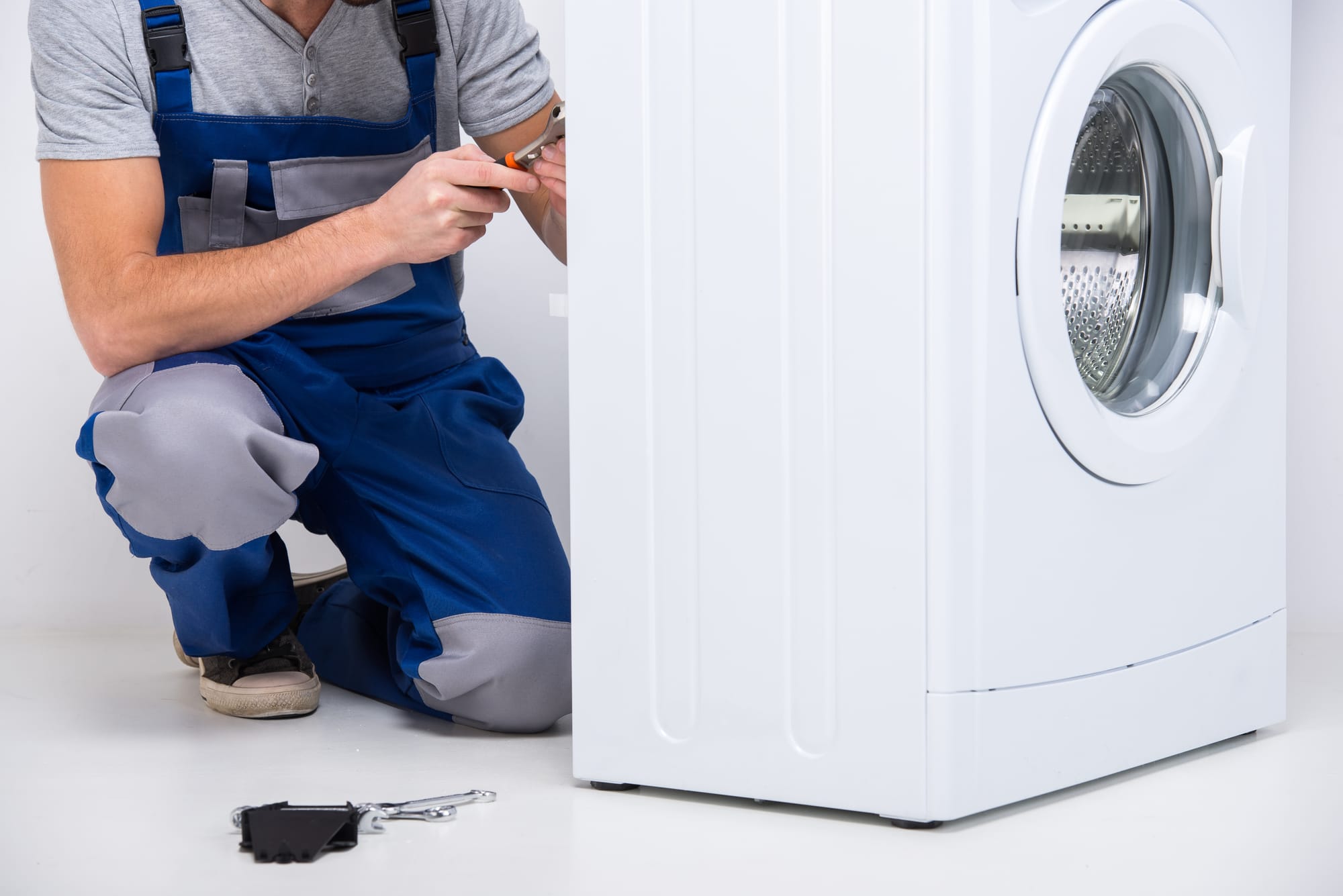
The modern washer is equipped with two parts known as balance rings. To prevent your washer from tipping over and escaping with your washing, fill these plastic tubes with a saltwater solution. These components are essential, but the watery noise they create is annoying. Without them, your washer might not spin properly and give an unbalanced load error message.
Troubleshooting your washer will require access to its inner workings, but with a couple of simple tools, you can accomplish the task in an hour or two. Interested in finding out the process? Go on! Here, with the help of the accompanying video, you will learn how to change the washer's balancing rings.
The Balance Ring: What Is It?
Is your washer making an unexplained sloshing sound even though everything inside should be dry? Most likely, that is merely the balancing ring. In order to keep the washer from topple over while it spins, it has a plastic ring that is filled with fluid and fastened to the inside of the tub. This component is known as the balancing ring. I don't understand how it operates. It balances out the other. Every now and then, the washer's motion will push all the clothes in the basket to one side. As a result, the ring's saltwater solution moves to the other side, which counteracts the weight in the tub and maintains stability.
If the balancing ring is damaged, missing, or emptied of fluid, your washer will not be able to prevent loads from being off-balance. If your washer is unsteady on a regular basis and the balancing ring is broken or missing, you should get a new one.
Tracking Down the Appropriate Spare Part
Find the model number on the washer's sticker; it will help you find a compatible replacement. Be sure to look on the front panel or the door itself for any indications of troubleshooting behind the washer door. Additionally, you can look for the model number of the washer either behind the front access panel or behind the kickplate on the underside of the machine. Here at Washing machine repair, we have made it easy for you to find a compatible part by simply entering your model number. In a matter of days, you will get authentic OEM parts from every major manufacturer at your doorstep. You can get helpful hints and pointers from our professionals as well as other people who want to tackle DIY projects there.
Changing the Balance Ring in a Washing Machine the Right Way
In this guide, we'll show you how to change the balance ring on a front-loading washer. No matter what brand or type of front-loading washer you have, you should be able to follow these steps to replace the balancing ring. It is highly unlikely that the instructions provided here will be compatible with a top-loading machine.
Occupational equipment
To finish the task at hand, you will require the following fundamental tools:
Tools for driving Phillips and tiny flathead screwsAn assortment of sockets ranging in size from 19 mm to 11 mm to 7 mmA 10-inch extension and a ratchetTools for workTools for applying puttyThread storageA container for collecting water, such as a panBuilding pieces made of wood or cinderPrior to commencing...
Doing the following before you start will ensure your safety and make the process easier in the long run:
Pull the plug or turn off the breaker that supplies electricity to the appliance. Always turn off electricity before working on an appliance.Before disconnecting the drain hose from the pipe, turn off the water supply valves for both hot and cold water.Separate the washer from the wall so you can reach the back easily.
Towel down the area behind the washer to prepare it for work. Disconnecting the water lines may cause water to leak out of the appliance, which we shall dismantle for this task.
Put a label on the hoses that go to the water connection. You can make it simpler to remember which ones go with which when you reassemble them if you mark them with marked masking tape, red and blue yarn, or any other tags before you disconnect them.
Fixing a faulty balance ring
Disassembling the majority of the appliance is necessary to access the balancing ring on front-loading washers like ours. Do not get discouraged by what appears to be an overwhelming amount of work! No sweat—all it takes is a little time. first time you disassemble a washer, you'll need a few hours, but we've got your back with a detailed tutorial that will show you just what to do. Depending on your level of familiarity with washer assembly, this task could take 45 minutes to an hour.
Dismantling the Washer
In order to begin, take off the back access panel. Two screws secure it in place. After those are removed, you can remove it by lifting it.Take the tub's back end and detach all of the cables. You can probably get it done by hand, but if you run into any problems pressing in the tabs, a flathead screwdriver will do the trick. To access the grounding wire and the screws that secure the wire harness bundle, you can use a Phillips screwdriver.
Take the stator and rotor out. Use a 19-mm socket and ratchet to loosen the nut that holds them in place. The rotor and stator can be stabilised to facilitate this process. For a screwdriver version of this, watch the accompanying video. The nut and its two washers should be removed. Carefully wiggle the rotor from side to side to remove it. The magnets that line it can make taking it off a bit of a challenge. Take the stator unit out. A slew of 10 mm bolts secures it in place. Take those apart with the help of your ratchet and socket.Unscrew the washer's cap. Two screws at the rear secure the top. After you’ve taken care of those, grab the top, pull it back to release it, and then lift it away.
Get rid of the hoses that are attached to the top of the washer. Two ought to be there. A clamp fastens to each hose. You might get away with unscrewing one clamp by hand, but the second one will require a screwdriver. After the clamps are released, you may easily remove the hoses from their connections by sliding them back.
Take out the drawer containing the detergent, please. Press the button on the rear to release it and remove it after pulling it out as far as it will go.
Take the panel of controls off. On top, you'll see a few of screws that secure it. After removing the screws, turn the console so it faces forward, and then unplug the wires that are still connected to the washing machine.Now we can take the front panel apart. There are more than one stage to this. If you want to see it done in all its glory, watch our video.The drain pipe is located in the front access panel, so open it. Temporarily relocate the drain hose and unscrew the two screws located in that access cavity.
Take the washer door switch assembly out of the front of the machine after opening the door. It has three screws that secure it in place.Take the boot seal clamp from the door. If you slightly push back the door boot seal (the rubber gasket surrounding the washer opening), you should be able to locate this metal ring. To remove the clamp, start at the base and slowly pry it out with a flathead screwdriver. Be cautious not to ruin the gasket in the process!
Get the door gasket out of the way by pushing it back.
The panel is fastened to the bulkhead with screws; remove them. Across the top, you can see a couple of them.Carefully remove the front panel from the bulkhead after lifting it slightly to release it from the top locking tab. While removing the front panel, take careful not to damage any components that could still be linked to it.Be sure to drain the washer thoroughly. After you place a basin or pan underneath the drain hose, remove the cap and let the water drain into it.Disconnect the hose from the boot seal of the door. Remove the clamp that is holding it in place using pliers, and then use a flathead screwdriver to separate the hose from the fitting.
Lift the clamp holding the boot seal on the inside of the door. To release the clamp on our washer, we had to use a ratchet to loosen the bolt. We loosened it and then used a flathead screwdriver to further push the clamp out. To loosen this clamp on certain washer models, you might need to use pliers or a vice grip. Check out some of our other how-to videos on washing machines if you're stuck trying to figure out how to remove the inner seal clamp from your machine.
Disassemble the door boot seal. Remove it by hand if necessary.
Leave the tub as you disconnect the dispenser hose. Loosen the clamp with pliers and then remove the hose from the fitting.Take out of the tub all of the weights. The mounting bolts can be removed with a ratchet and a 13mm socket.
Get the air pressure hose out of the bathtub.
A couple of twist ties down one edge probably hold it to the tub.
After that, take the pump hose out of the bathtub. You can use pliers to loosen the clamp that holds it in place.While the pump hose is moved to one side, loosen the two clamps that attach the air pressure hose to the bathtub. You can use pliers to loosen the one on the rear, and there's a screw holding the one up front.
The hose can be removed and moved to a more convenient location after you release both clamps.Take the electrical connections to the tank heater off. Next to the air pressure hose is where you should see them. First, unplug the cables, and then unscrew the clamp that holds the bundle to the tub.
Dig out the tub-to-pump hose that is attached to the base of the tub. Use a Phillips screwdriver to loosen the clamp.Take the shock absorbers out of the tub's base. Two shocks will be located at the front and two at the rear. To loosen the bolts that secure them, you can use a ratchet and a 13mm socket. To remove the shocks from the tub and make room for them, pull them down. You might have to elevate the tub slightly when you move it to release the final shock absorber.
Take the suspension springs off the washer's top.
The spring on the dispenser side can only be accessed by removing the dispenser housing. Take the housing out of the washer bulkhead by removing the screw that was holding it in place.
Before lowering the tub to the washer's base, carefully detach the first spring from its frame attachment. Take the spring out of the tub and reattach it to its top mounting spot.
Put the dispenser unit back together. Put the screw back in place after this.A cable or hose is probably covering the spring on the other side. Prioritise getting that done. Some of the retainers on the wire harness may need to be unhooked.
Take the tub up a notch to make unhooking the other spring a bit easier. It could be helpful to have a helper for this section.Reattach the tub to its base by carefully releasing the second spring. Once you've unhooked the spring from the tub, you can reattach it to its mounting point.
Carefully remove the tub assembly from the washer bulkhead. Raise it and move it ahead. Wriggling it around a bit might help you remove it.After you remove the tub, place it on blocks to make room in the middle. Now that you've removed the washer tub completely, you can check the entire unit for damage. Check the condition of the bolts and the outer tub for cracks. We suggest replacing the old seal with a new one before reassembling the exterior tub, which you will be disassembling next.
Take a 10mm ratchet and unscrew each screw that is keeping the outer tub in place. When they're gone, take the top part of the outside tub off. To separate them, you might have to use a tiny flathead screwdriver to wedge it between the two parts.
Changing Out The Base Balance Ring
By now you should be able to access the upper balance ring, but before you do, we'll show you how to remove the lower balance ring from the inner tub's base.
Take out the lining tub. It's likely that the spider assembly has seized the bearings of your washer. In the event that removing the inner tub is not possible, you will have to invert the unit and delicately pound the outer tub out using a hammer or mallet.Before placing the inner tub on top of the blocks, turn the outer tub upside down.The spider assembly must be removed. These aluminum arms guarantee the tub's stability. Six bolts, accessible with a 10mm socket and ratchet, secure them in place.
Take out the previous balance ring. A few of screws secure it. It can be removed from the tub once those are removed.
Set up the replacement ring. Put it where you want it and screw it down.
Put the spider assembly back in place. Prior to installation, coat the bolts with blue thread locker.
Return the inner tub to its place within the exterior tub. Make sure it doesn't fall into place. Keep the slightly bent washer, also known as the wave washer, on the bearing at all times.
The Upper Balance Ring Replacement
Once you've reinserted the inner tub into the outer tub's lower half, you can swap out the top balance ring.
Take the balancing ring off by unscrewing its six screws. These are located at the very top of the inner tub, on the exterior.
Retrieve the balance ring from the inside tub by lifting it. If it becomes stuck, you can use a putty knife to loosen it.
Assemble the new balancing ring by placing it on top of the inner tub and aligning the screw holes on both surfaces.
Put the screws into the balancing ring again.
Fixing Your Washer Part by Part
Very well! Your washer's balancing rings have been successfully changed. Reassembling it is the final step in this Repair process. Most of the time, it's just going backwards from what you did before. Here we'll give you the rundown, but if you want to see each step in depth, the tutorial video is a great resource.
Assemble the outer tub once more. Verify that the heating element is inserted into the slots properly. The top portion of the tub may also need to be fitted into tabs. Put the screws back in after it have set.
Return the tub to the washing machine; if necessary, enlist assistance.
Put the suspension springs back in place. Remember to secure the detergent dispenser housing and return any cables or tubes to their original locations.
Remove the shock absorbers and replace them. Reinstall the bolts after applying thread locker to them.
The tub's hoses and cables should be reconnected. You have to hook up the hoses that go from the tub to the pump, as well as the heater's electrical connections, the hose that controls the air pressure, the pump, and the detergent dispenser. For those, here are a few pointers:Getting the tub-to-pump hose slightly damp might make reinstalling it a bit easier.
It is imperative that the notch or arrow on the tub be correctly lined up with the pump hose, which is the hose that is fitted over the air pressure pipe. Assemble the hose such that the arrow on the tub fits snugly between the two notches.
Equally important is the correct alignment of the tabs on the detergent dispenser hose.
Put the door boot seal back in place. If you want a clear visual explanation of this process, see our video for this stage.
Make sure the gasket's tabs touch the tub's screws before tucking the groove into the tub's exterior lip.
Remember to tuck the inner clamp back into place once everything is in place. Make sure the screw is in the 12 o'clock position.
Replace the hose that was removed from the top of the seal.
Put the weights back into the washer tub. Put the bolts back in place after you've set them onto the mounting pegs. Apply thread locker to the threads of every bolt if necessary.
Reinstall the front panel.
After aligning it with the base brackets, pass the drain hose through the opening in the panel.
The next step is to return the front panel and check that the door switch is in the on position.
Put the top mounting screws back in place.
After reattaching the drain hose access panel with the lower mounting screws, clip the hose back into position.
Insert the door gasket onto the front panel. Before reinstalling the clamp, make sure it fits snugly into the front panel's groove. To avoid any problems, position the clamp spring at the base. To secure the gasket and draw the spring, pliers are required.Turn the control panel back on. Put the control panel back in its original location after reconnecting its wire harnesses.
Carefully reposition the detergent drawer.
Mount the stator again. Check that the wire connectors are positioned at about 4 or 5 o'clock. To secure it while you insert the other bolts, install one bolt by hand. After mounting, reconnect all cables and reattach the wire harness. The ground
-wire screw is an essential component!Return the rotor to its position on the stator. Place it on the shaft and tighten it using the two washers and nut again.Mount the back panel once more. Always remember to reinsert the screws after seating.
Remember to reattach and secure the clamps on the top two hoses.
Reinstall the Washer top, paying close attention to how you align the brackets. You can replace the mounting screws after it have settled.
Final Thoughts
You should now be able to disassemble, fix, and reassemble your washer according to this guide. Finally, it's time to put everything to the test! Reconnect the water and electricity, and then start a wash cycle but don't add any clothes. You're keeping an ear out for any signs of trouble, such as knocking, and checking for any leaks. If everything is in order, you can resume your wash day schedule! Remember us for all your home appliance repair needs in the future. Our helpful staff at Washing machine repair in Dubai is here to answer any questions you may have about fixing your appliance on your own. For additional guides, how-tos, and authentic OEM parts, visit our website!
